
| | | | | | | | | | | | | | | | | | | | |

Understanding Dental Bridges and How They Work

Dental bridges are a reliable and well-established treatment for replacing one or more missing teeth. At Broadway Dental Practice in Edgware, dental bridges are often recommended for patients who want a fixed solution to restore function and appearance when dental implants may not be suitable or preferred. Understanding how dental bridges work can help patients feel more confident about their treatment choices.

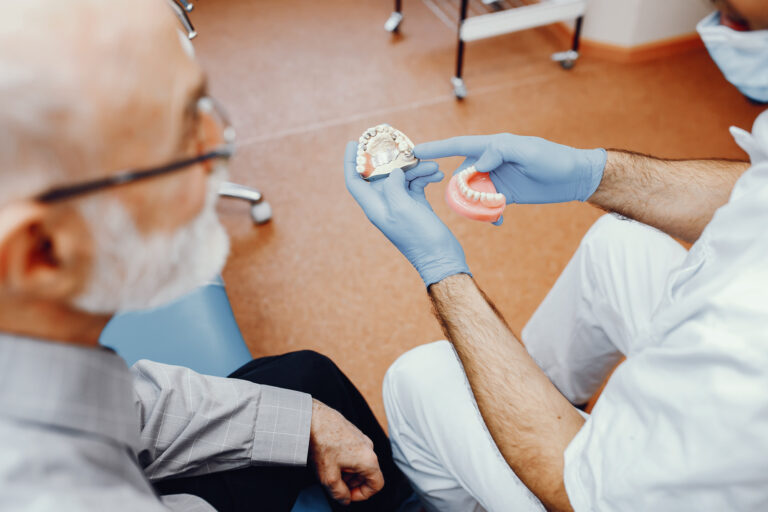
A dental bridge is designed to “bridge” the gap left by missing teeth. It is a fixed restoration, meaning it is cemented into place and cannot be removed by the patient. A traditional dental bridge is made up of an artificial tooth or teeth, known as pontics, which are held in position by crowns placed on the natural teeth either side of the gap. These supporting teeth are called abutment teeth.

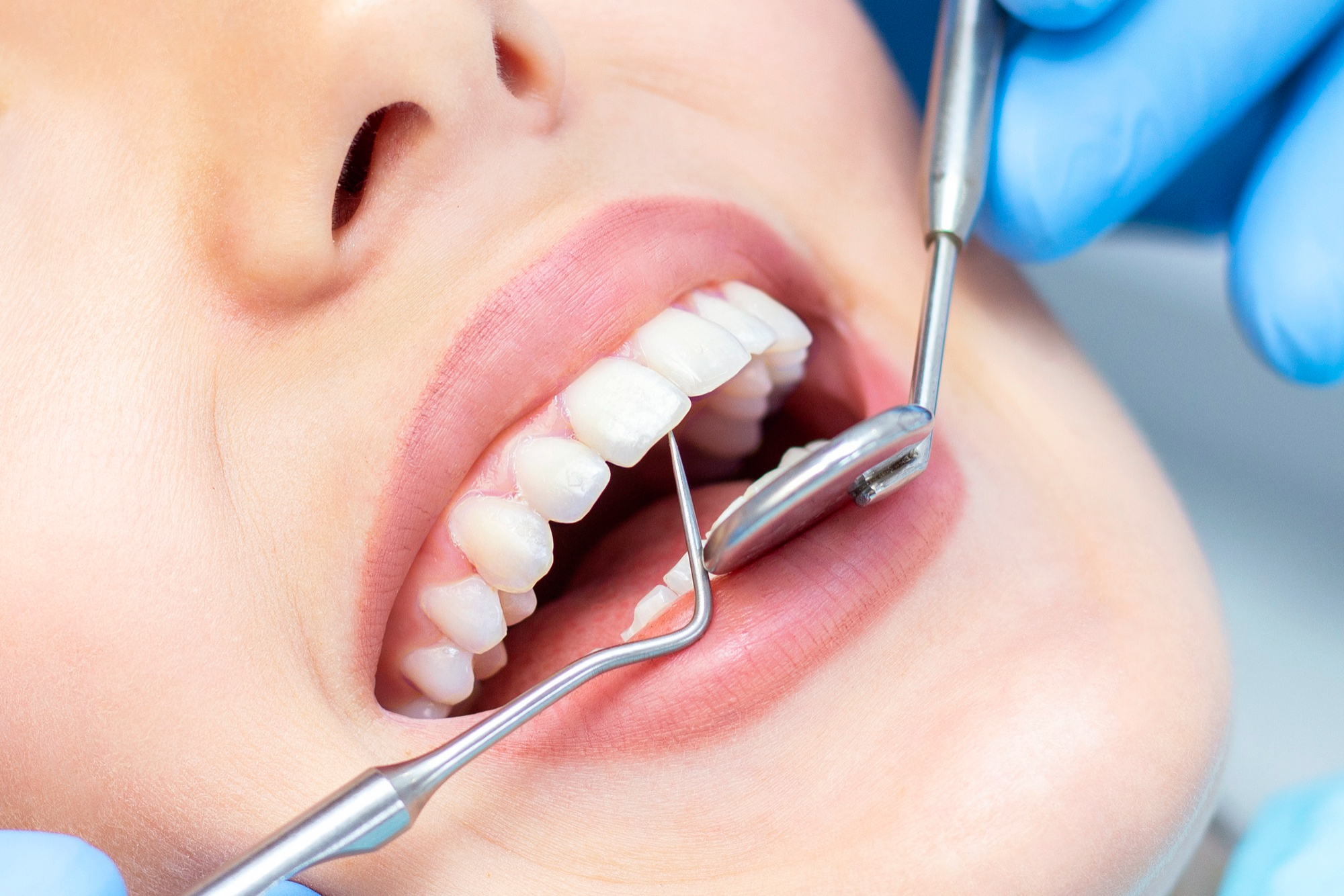
Before a bridge is placed, a thorough dental examination is carried out. The dentist will assess the health of the gums, the condition of the neighbouring teeth, and the overall bite. The abutment teeth must be strong enough to support the bridge, as they will absorb the forces created during chewing.

Once suitability is confirmed, the abutment teeth are carefully prepared. This involves reshaping them slightly so crowns can fit securely over them. Impressions are taken to ensure the bridge is custom-made for a precise and comfortable fit. A temporary bridge is often provided while the permanent bridge is being created, allowing patients to maintain normal function and appearance.

When the final bridge is ready, it is cemented into place. Patients usually notice an immediate improvement in their ability to chew and speak. The bridge also restores the natural appearance of the smile by filling the visible gap.

Dental bridges offer several oral health benefits. They help prevent neighbouring teeth from drifting out of position, which can otherwise lead to bite problems and uneven wear. Bridges also help distribute biting forces evenly, reducing strain on individual teeth.

There are different types of bridges, including traditional bridges, cantilever bridges, and adhesive bridges. The most suitable option depends on the location of the missing tooth and the condition of surrounding teeth. A personalised assessment ensures the best outcome.

If you have one or more missing teeth and would like to know whether a dental bridge is suitable for you, the team at Broadway Dental Practice in Edgware can provide clear advice. You can contact the practice on 020 8952 3323 or email broadwaydental@hotmail.co.uk to arrange an appointment.

Related Posts