

| | | | | | | | | | | | | | | | | | | | | | | | | | | | | | | | | | | | | | | | | | |

Tooth Extraction – What Patients Should Know

Tooth extraction is sometimes necessary to protect overall oral health. At Broadway Dental Practice in Edgware, extractions are only recommended when a tooth cannot be saved or when removal is the best option to prevent further problems. Understanding why extractions are carried out and what to expect can help patients feel more at ease.

Common reasons for tooth extraction include severe decay, advanced gum disease, trauma, or infection that cannot be resolved with other treatments. Impacted teeth, such as wisdom teeth that do not have enough space to emerge properly, may also need to be removed to prevent pain, swelling, or damage to neighbouring teeth.

Before an extraction, a detailed assessment is carried out. This may include X-rays to evaluate the position of the tooth and surrounding structures. The dentist will explain the procedure and answer any questions to ensure patients feel informed and comfortable.

Extractions are performed under local anaesthetic, which numbs the area and minimises discomfort. Patients may feel pressure during the procedure, but pain is typically minimal. The tooth is carefully loosened and removed using specialised instruments.

After the extraction, following aftercare instructions is essential for healing. Patients are usually advised to avoid strenuous activity, not to disturb the extraction site, and to maintain good oral hygiene while allowing the area to heal.

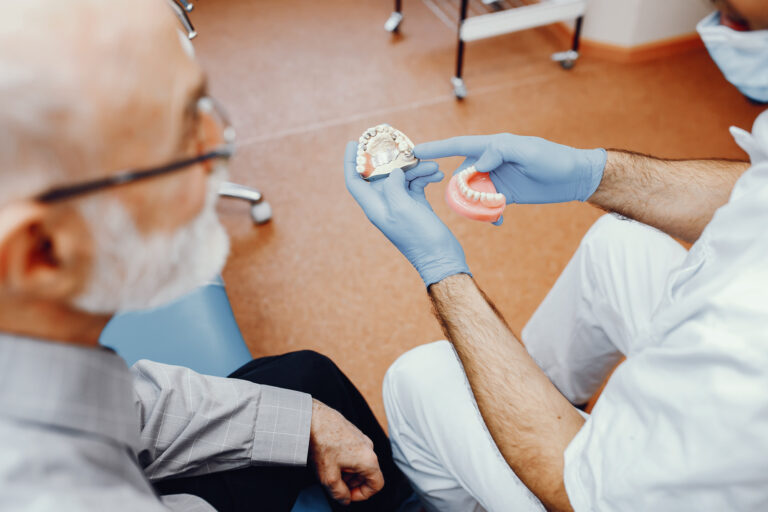
Although losing a tooth may seem concerning, replacement options such as dental implants, bridges, or dentures can restore function and appearance. Early discussion of replacement helps prevent long-term complications.

If you believe a tooth may need to be removed or are experiencing pain or swelling, professional advice is important. Contact Broadway Dental Practice in Edgware on 020 8952 3323 or email broadwaydental@hotmail.co.uk to arrange an assessment.

Related Posts